Why Nor'easters and Flash Floods Are a Serious Threat to New York City Basements
If you live in New York City, you already know the weather can turn on a dime. A nor'easter can dump several inches of rain in a matter of hours, and summer thunderstorms can trigger flash floods with almost no warning. For homeowners, the first concern is often the roof or the street, but the real damage frequently happens below grade. Storm water saturates the soil around your foundation, and once that soil can't absorb another drop, the water looks for the path of least resistance: your basement.
The geology and infrastructure of New York City make this worse. Many neighborhoods have high water tables, aging storm drains, and dense paving that leaves rainwater nowhere to go. When the city's sewer system is overwhelmed, water can back up into basements through floor drains and sump pits. That is why nor'easter basement flooding and flash flood basement issues are not rare events here. They are recurring risks that every homeowner should plan for before the next big storm arrives.
How Storm Water Finds Its Way Into Your Basement
Storm water rarely enters a basement through one obvious hole. It usually exploits a combination of weaknesses. Hydrostatic pressure builds up in saturated soil and pushes against your foundation walls. Over time, that pressure can force water through hairline cracks in the concrete, through porous block walls, or through the joint where the wall meets the floor. Window wells can fill up and leak, and older homes may have no footing drain at all, or a clay tile system that has collapsed after decades of use.
Once water is inside, the damage compounds quickly. A few inches of standing water can ruin flooring, drywall, insulation, and stored belongings. More importantly, it creates the damp conditions that lead to mold growth within 24 to 48 hours. The smart approach is to address the entry points and the water pressure before the storm season, not after. A professional assessment can identify where storm water basement intrusion is most likely in your specific home, whether you are in a brownstone, a rowhouse, or a detached property.
The Role of a Sump Pump for Storms and Interior Drainage
A sump pump for storms is your first line of defense when water does get into the basement. A properly sized submersible pump sits in a pit at the lowest point of the floor and moves water out and away from the house before it can spread. But not all sump pumps are created equal. During a nor'easter, the power can go out, which is exactly when you need the pump most. A battery backup system keeps the pump running when the grid fails, and a high-capacity pump can handle the volume that comes with flash flooding.
Just as important is the drainage system that feeds the pump. An Interior Drain Tile System installed along the perimeter of the basement floor captures water at the wall-floor joint and channels it to the sump pit. This keeps water from pooling on the floor and gives the pump a steady, controlled flow to manage. For homeowners dealing with recurring storm water, this combination is often the most reliable interior solution available.
Exterior and Foundation Waterproofing: Stopping Water Before It Gets In
Interior systems manage water once it is inside, but the best long-term strategy is to keep it out altogether. Exterior Basement Waterproofing involves excavating around the foundation, sealing the exterior walls, and installing a drainage membrane and footing drain that directs groundwater away from the house. This approach relieves hydrostatic pressure at the source and is especially effective for homes that see repeated flooding during heavy rain events.
Foundation Waterproofing also addresses cracks and porous surfaces directly. Sealing cracks, repairing failed mortar joints, and applying a waterproof coating can close the paths that storm water uses to enter. For many homeowners in Yonkers and Mount Vernon, a combination of exterior sealing and improved grading around the foundation makes a noticeable difference during nor'easters. The right mix depends on your home's age, construction, and how the water is currently behaving.
Basement Waterproofing Near Me: When to Call a Professional
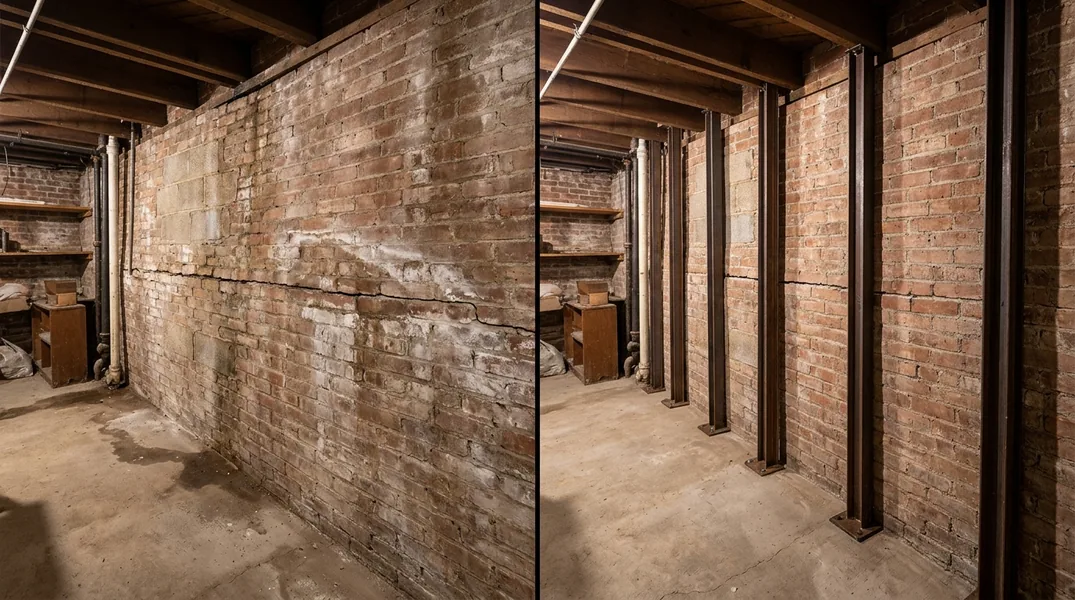
Some homeowners try to manage storm water with a shop vac and a dehumidifier, but that is a temporary fix at best. If you have seen water in your basement more than once, noticed a musty smell after rain, or found efflorescence (the white powder) on your walls, it is time to bring in a professional. These are signs that water is actively moving through your foundation, and the problem will not resolve on its own. In fact, it usually gets worse as the masonry degrades.
When you search for basement waterproofing near me, look for a local company that understands the specific challenges of New York City homes. A professional can evaluate your drainage, test your sump pump, inspect for cracks and seepage, and recommend a plan that fits your budget. New York City Waterproofing offers pricing that is transparent, and you can request a free estimate to get started. If you are in New Rochelle or anywhere in the five boroughs, call (929) 392-2158 to schedule an inspection before the next storm season.
Practical Steps to Protect Your Basement Before the Next Storm
Beyond a full waterproofing system, there are simple steps you can take right now. Clear your gutters and downspouts so rainwater is directed away from the foundation rather than pooling next to it. Check that the ground around your home slopes away from the walls. Test your sump pump by pouring water into the pit and confirming it activates and shuts off properly. If you do not have a battery backup, consider adding one. These measures are not a substitute for a proper waterproofing system, but they reduce the load on whatever system you have.
It also helps to know your risk. The National Weather Service issues flood watches and warnings that can give you time to prepare. Keep valuables off the basement floor, and store important documents in waterproof containers. If your basement has flooded before, document the areas where water entered so you can share that information with a waterproofing contractor. Being proactive is far less expensive than cleaning up after a flash flood.
Looking for a professional basement waterproofing contractor in New York City? New York City Waterproofing responds fast for all your basement waterproofing needs.
Get a Free QuoteOur services: Basement Waterproofing · Interior Drain Tile System · Exterior Basement Waterproofing